
01. Evaluación del riesgo de eutrofización y acidificación de los lagos del Pirineo
35. TRANSFER: Keys to understand the transfer of the atmospheric forcing to the dynamics of lacustrine plankton
05. Susceptibilidad de los lagos de montaña a la acidificación: Alpes y Pirineos
18. AQUACLOR: Estudi de la dinámica dels compostos organoclorats persistents en els sistemes aquàtics continentals
RyC-Max
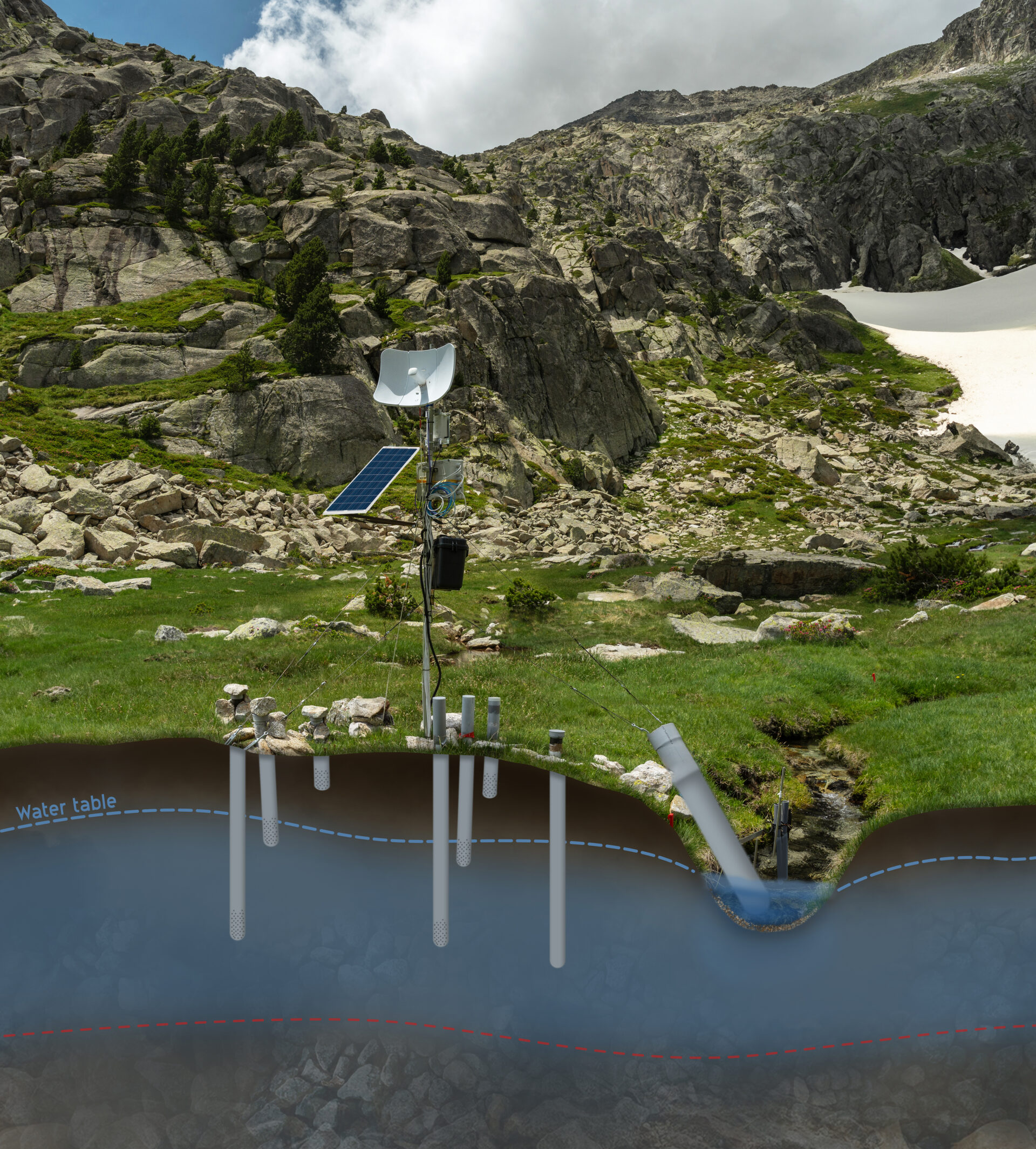
High-mountain regions, characterized by minimal industrial and agricultural activity, serve as ideal natural laboratories for studying global-scale changes in biogeochemical cycles and are key sites for monitoring global change, as atmospheric influences on ecosystems are particularly evident. High-mountain aquatic systems act as “sentinels” of environmental change, integrating natural and human disturbances from the atmosphere and watersheds that ultimately shape downstream ecology and chemistry. Despite their importance, knowledge of these ecosystems remains limited by the scarcity of integrated studies linking atmosphere, soil, and water processes; insufficient data at appropriate spatial and temporal scales; and a lack of hydro-biogeochemical research addressing interactions among key elements such as carbon and nitrogen. This project establishes a monitoring network to assess how high-mountain watersheds respond to environmental change and to advance understanding of biogeochemical cycle alterations at regional and global scales through three specific objectives addressing potential disruptions to these cycles driven by global change.
24. Trazadores múltipes para el estudio de la estructura y funcionamiento de redes tróficas acuáticas: desarrollo en sistemas lacustres
SERVICO2
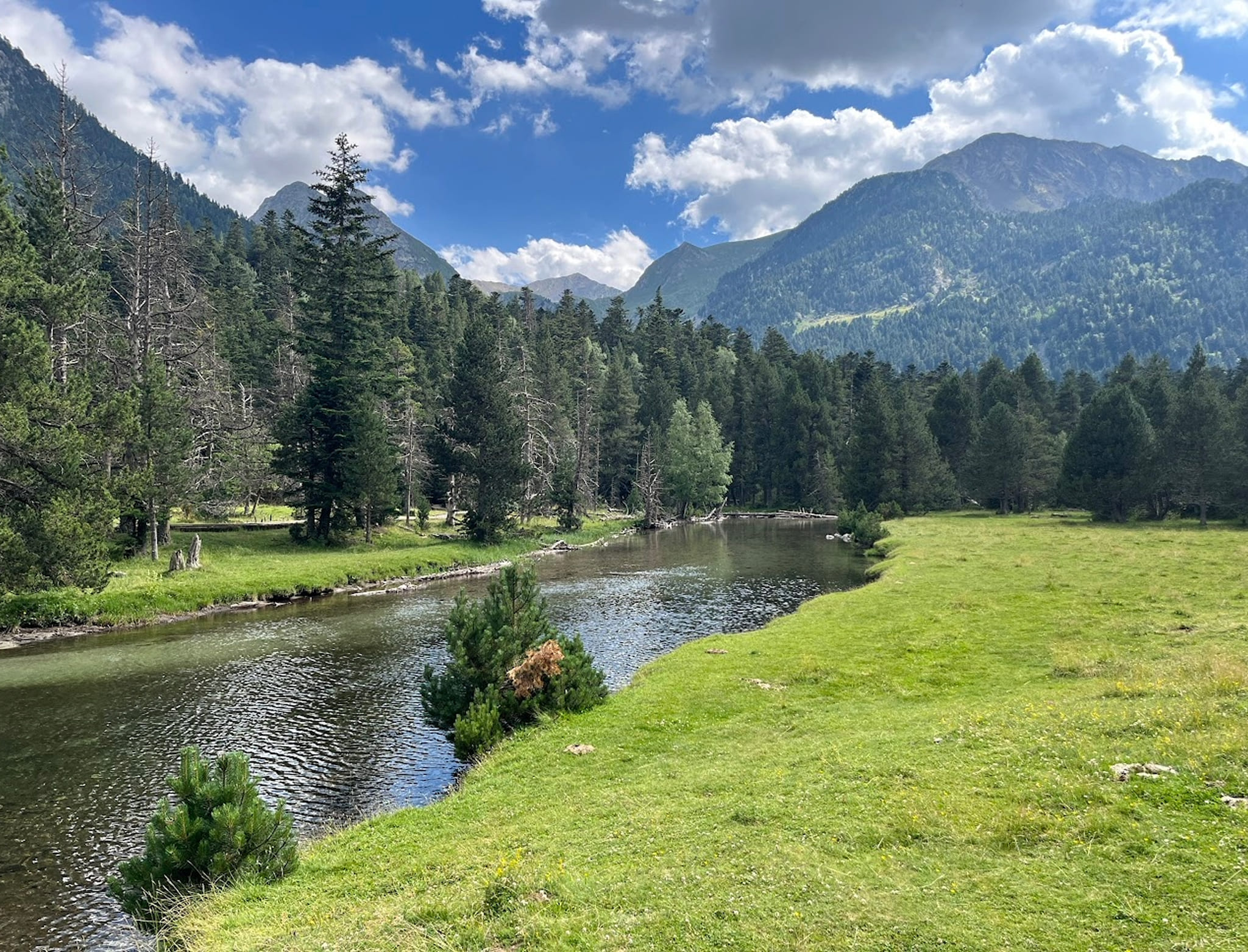
Catchments provide a vital ecosystem service by regulating atmospheric CO2 globally, a process strongly influenced by water, and therefore closely related to the provisioning of water service. Climate, atmospheric deposition, and land use affect the quantity and quality of water. This project aims to enhance our understanding of the role of water in headwater catchments’ functioning regarding the regulation of atmospheric CO2, as well as other climate-relevant gases (CH4, N2O, BVOC). The project aims to assess the social and economic value of these ecosystem services to inform policy and decision-making.