
RyC-Max
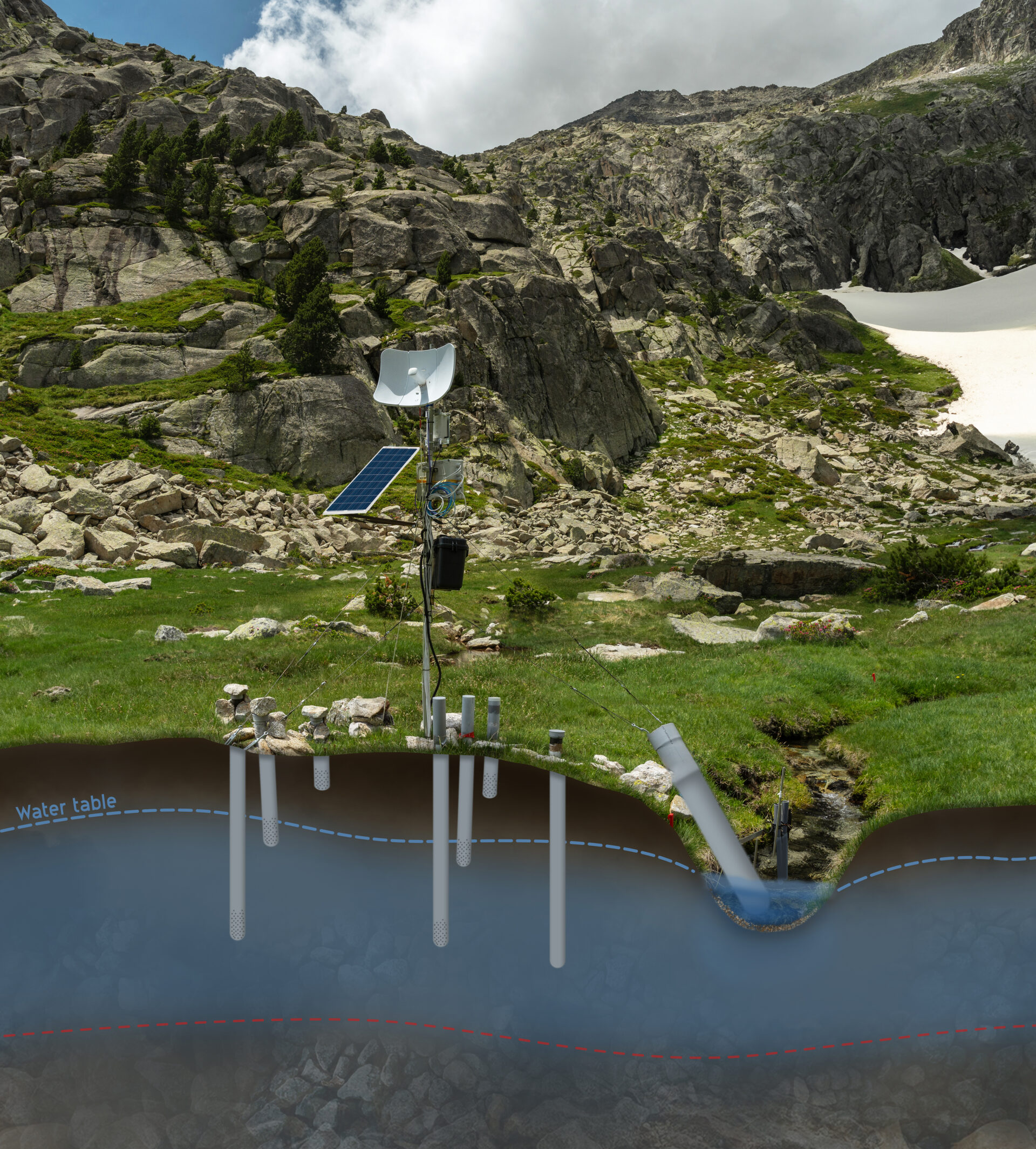
High-mountain regions, characterized by minimal industrial and agricultural activity, serve as ideal natural laboratories for studying global-scale changes in biogeochemical cycles and are key sites for monitoring global change, as atmospheric influences on ecosystems are particularly evident. High-mountain aquatic systems act as “sentinels” of environmental change, integrating natural and human disturbances from the atmosphere and watersheds that ultimately shape downstream ecology and chemistry. Despite their importance, knowledge of these ecosystems remains limited by the scarcity of integrated studies linking atmosphere, soil, and water processes; insufficient data at appropriate spatial and temporal scales; and a lack of hydro-biogeochemical research addressing interactions among key elements such as carbon and nitrogen. This project establishes a monitoring network to assess how high-mountain watersheds respond to environmental change and to advance understanding of biogeochemical cycle alterations at regional and global scales through three specific objectives addressing potential disruptions to these cycles driven by global change.
SERVICO2
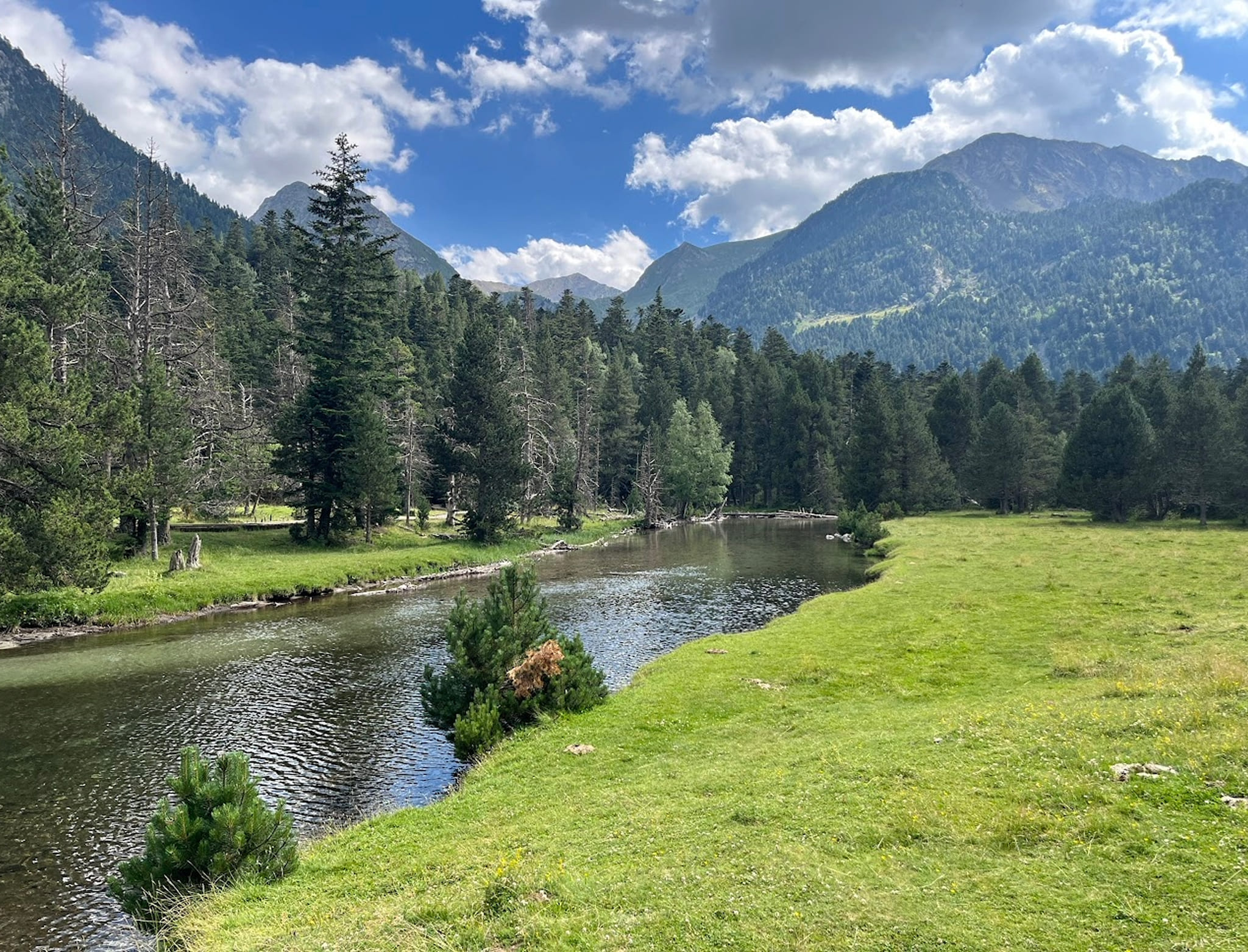
Catchments provide a vital ecosystem service by regulating atmospheric CO2 globally, a process strongly influenced by water, and therefore closely related to the provisioning of water service. Climate, atmospheric deposition, and land use affect the quantity and quality of water. This project aims to enhance our understanding of the role of water in headwater catchments’ functioning regarding the regulation of atmospheric CO2, as well as other climate-relevant gases (CH4, N2O, BVOC). The project aims to assess the social and economic value of these ecosystem services to inform policy and decision-making.
WATERSCAPE
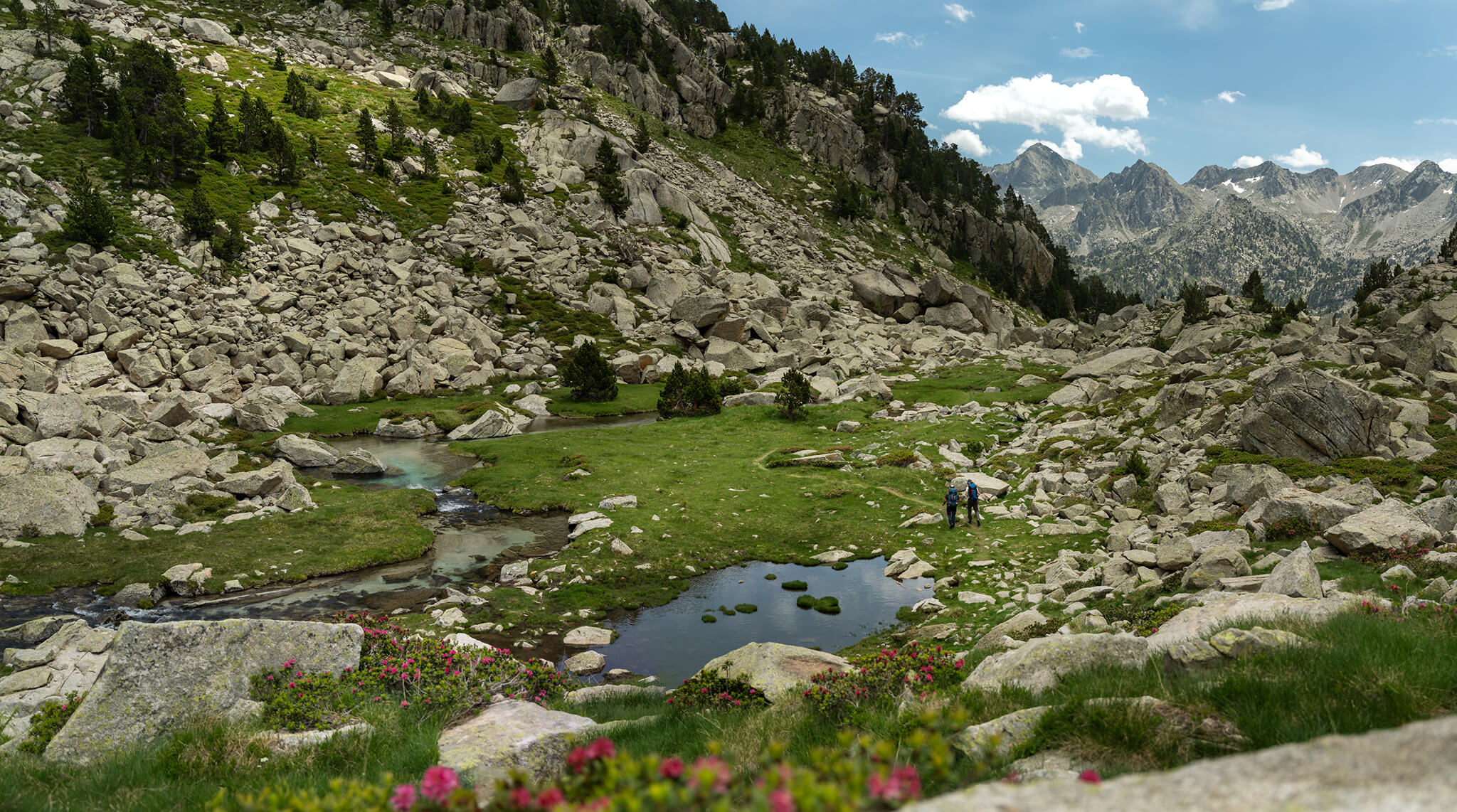
The waterscape is defined as the spatially and temporally dynamic water present on and within the uppermost layer of the Earth, which serves as the interface between the lithosphere, atmosphere, hydrosphere, and biosphere—known as the critical zone. The WATERSCAPE project aims to elucidate how waterscapes contribute to the coexistence of aquatic species.
Diatoms will serve as our model organisms, and the high-mountain waterscape—where theoretical expectations can be empirically tested—will be our model system. Specifically, we aim to demonstrate that the spatial and temporal variability of waterscapes facilitates diatom species coexistence by either equalizing relative fitness or promoting niche differentiation. The project will integrate field observations, field experiments, and laboratory experiments to characterize the growth responses of a large number of diatom species (hundreds) to environmental gradients. Ultimately, this approach will allow us to fit parameters of coexistence theory and investigate the role of different spatial and temporal environmental fluctuations in shaping species distribution patterns across the high-mountain waterscape
DRYLAND
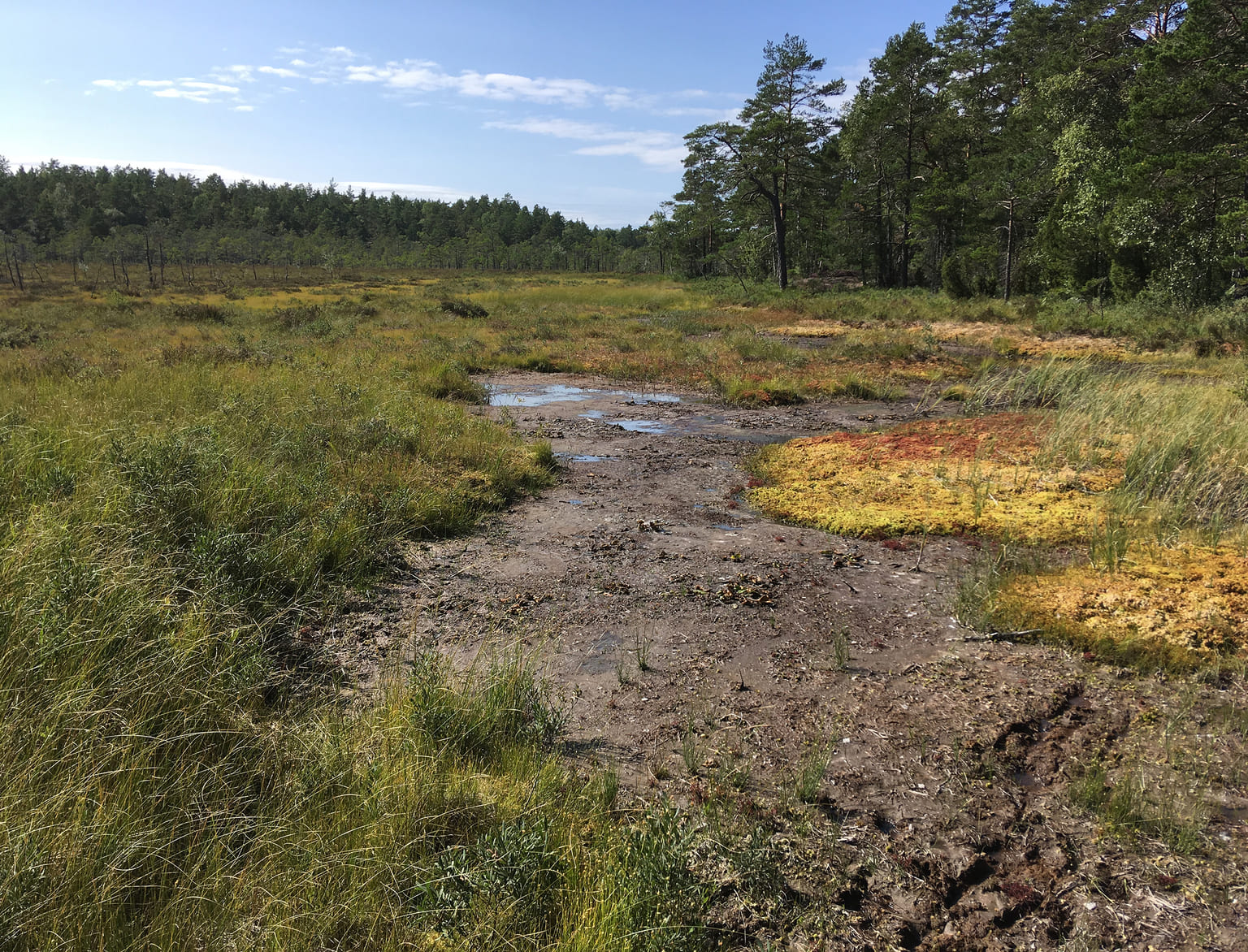
Droughts are among the most severe consequences of climate change, with far-reaching ecological and socioeconomic impacts. However, despite the critical role of high-altitude regions as freshwater sources and water towers for the water supply of world population, the effects of drought on soil biogeochemistry and downstream water quality remain poorly understood. DRYLAND aims to fill […]
CIANOMONT
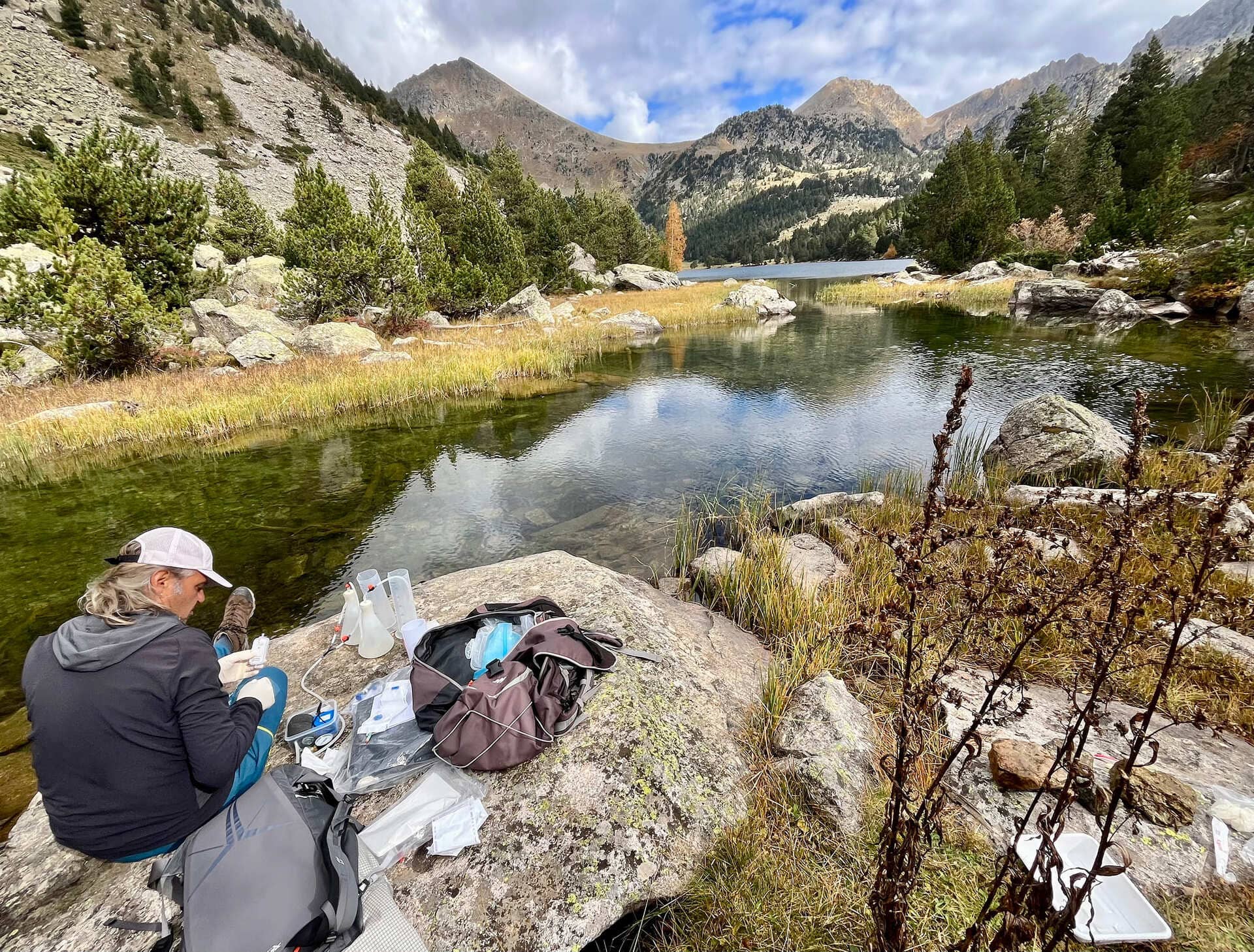
High-mountain lakes represent exceptional ecosystems for monitoring global change. Despite the absence of obvious signs of eutrophication, an increase in littoral algae has been observed in mountain lakes worldwide. In the Pyrenees, a rise in the proportion of cyanobacteria in the biofilms along lake shores has been detected, although their impact on the lakes of the National Parks Network in mountain areas is not yet fully understood.
This project aims to determine whether cyanobacterial proliferation is a common phenomenon in these lakes, identify their composition, and examine the environmental factors that may influence their development. To this end, the composition of cyanobacterial communities will be compared using 16S rRNA gene sequencing in samples collected in 2011 and in the present day across more than a hundred lakes in the network.
PyriSentinel
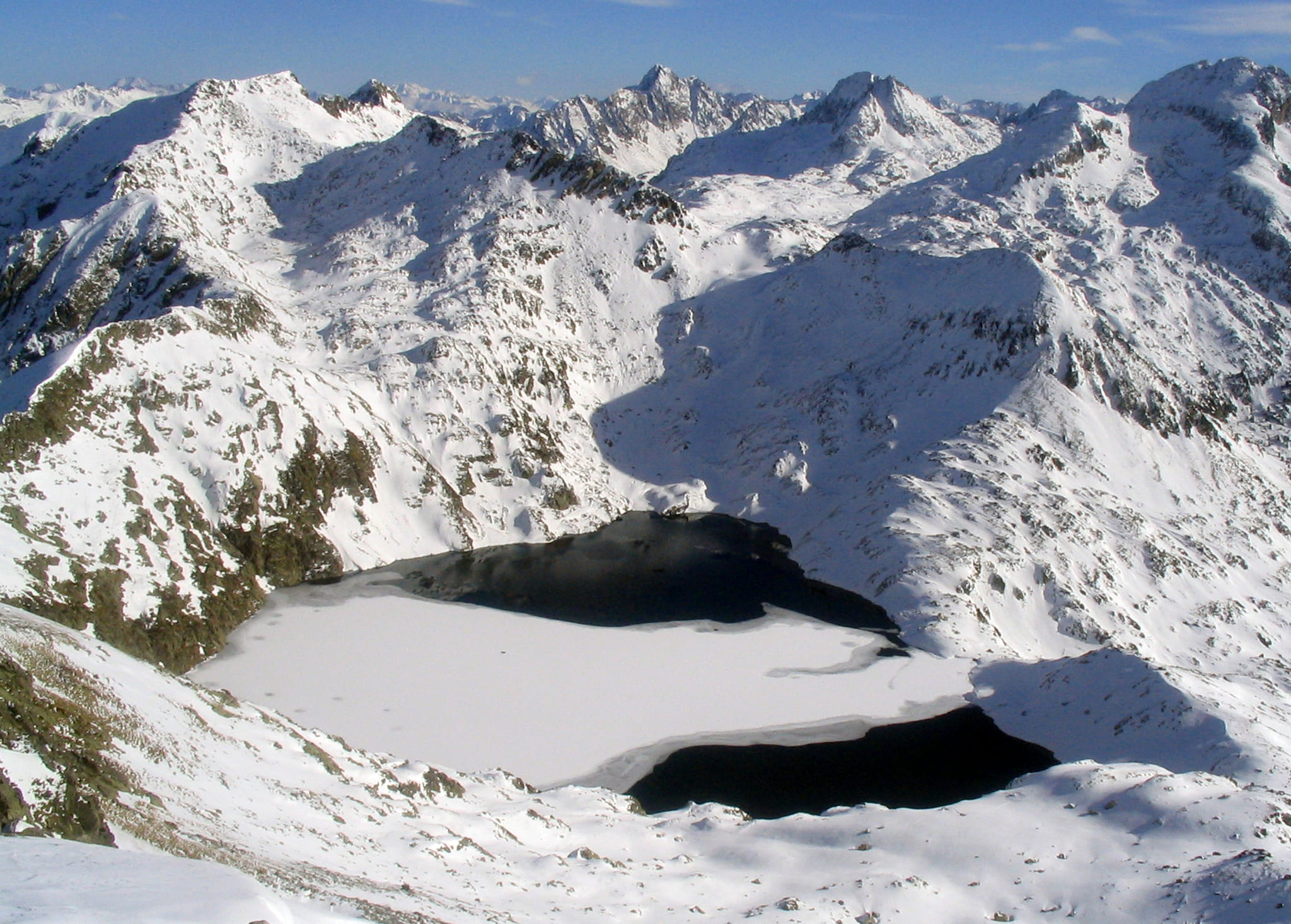
The PyriSentinel project, focused on the Pyrenees, studies high-mountain lake microorganisms using advanced DNA sequencing techniques. This region, experiencing warming above the global average, serves as a key observatory for assessing the impacts of global change.
Approximately 300 lakes will be examined, as their geographical isolation, extreme conditions, and climatic variations harbor remarkable microbial diversity. Characterizing planktonic communities is essential for understanding ecosystem productivity, as they play a crucial role in nutrient cycling, water purification, and interactions with macroorganisms, both at the trophic level and in their pathogenic potential.